Phoenix Home Remodeling’s Approach to Renovation Contractor Services in Sun Lakes Unit 2 Explained
Sun Lakes Unit 2 Renovations: What’s Different and Why It Matters
Local living patterns shape the scope
Remodeling in Sun Lakes Unit 2 is rarely just about aesthetics. The way homes are lived in matters. Many homeowners want improvements that fit everyday routines, like creating easier circulation between rooms, updating a kitchen workflow that no longer matches how they cook, or adding storage where clutter collects fast.
A bathroom remodel, for example, is often driven by how the space functions at specific times of day. If mornings are rushed, the layout needs to support more than one person. If there’s a shower used daily, water containment, ventilation, and slip resistance become priorities, not afterthoughts.
HOA and neighborhood expectations affect planning
Even when you are not constantly thinking about rules, the environment does. You will typically want to consider how exterior changes might be perceived, what materials look like in the local light, and how long construction activity will disrupt daily life. Planning is what prevents surprises, because delays and rework can affect more than your schedule, they affect how smoothly the project moves from one phase to the next.
In practical terms, this is where a renovation contractor’s process shows up. A contractor who coordinates permits, scheduling, and material lead times early can avoid the “hold up” weeks that become stressful and expensive.
The Contractor Decision: What Homeowners Should Evaluate
Design-build competence versus “trade stacking”
When homeowners compare remodeling contractors, one of the biggest differences is how the work is organized. Some companies operate more like a dispatcher, coordinating subcontractors without fully owning the design decisions or integration details.
In Sun Lakes Unit 2, the stronger approach is design-build coordination, because remodeling failures often come from handoffs. If the design changes midstream and no one updates related details, you can get mismatched finishes, incorrect rough-in locations, or lighting plans that do not support the final layout.
Communication that stays consistent during construction
A renovation is complex because it is both physical and administrative. You need clear communication about what is happening next, what is needed from you, and what will be inspected. A good contractor does not just respond when you ask questions, they anticipate what you will need to decide.
A reliable process also reduces the temptation to make last-minute changes. Last-minute changes are not always “bad,” but they often carry trade-offs like longer lead times, added costs, or compromises in adjacent areas that were already scheduled to be finished.
Phoenix Home Remodeling’s Planning-First Method for Renovations
Feasibility and design work before construction begins
A well-run renovation is built on pre-construction planning, not hope. Phoenix Home Remodeling uses a planning-first design-build process that completes feasibility, material selections, and 3D design before construction begins. That planning sequence matters because it reduces guesswork for everyone involved, including subcontractors who need accurate information to perform their work correctly.
Think about it in terms of interfaces. Kitchen upgrades do not live in a vacuum. Cabinet layout connects to electrical placement, countertop thickness impacts sink and faucet fit, and lighting locations depend on ceiling conditions. When these decisions are mapped early, the project moves forward without constantly redoing earlier steps.
Fixed pricing after design is finished
Budget uncertainty can ruin momentum. Phoenix Home Remodeling provides fixed construction pricing only PHR Sun Lakes remodeling contractor after full planning and design are completed. That structure helps homeowners because it aligns scope, materials, and layout decisions before pricing locks in.
The trade-off is that you do more upfront decision-making. You choose finishes, confirm preferences, and commit to a direction earlier than you might with a more flexible estimate. In most cases, the benefit is worth it, because you are not paying for changes you could have prevented by planning thoroughly.
One coordinated team that reduces handoff errors
Remodeling success often depends on how well design and construction align. Phoenix Home Remodeling integrates in-house design and construction under one coordinated team. When the same coordinated group manages the design intent through to the construction phase, it becomes easier to maintain consistency.
This matters most in details homeowners rarely notice until something goes wrong, like how tile transitions at door frames, how trim returns under different lighting, or how a shower valve aligns with the final wall surface. Those are the moments where “good enough” becomes very expensive.
Turning Sun Lakes Goals into Real-World Design Choices
Kitchens: workflow, clearances, and lighting layers
A kitchen remodel can look stunning in a showroom, but functionality shows up in measurements and daily behavior. Homeowners often tell me they want the kitchen to feel brighter, easier to navigate, and more storage-friendly. That usually means three things:
First, improving workflow by adjusting the relationship between the sink, cooktop, and refrigerator. Second, planning for clearances so doors and drawers open without collisions. Third, building lighting layers, because one overhead fixture rarely gives the results homeowners expect.
A concrete example is when someone wants a larger island. It is easy to love the visual. The Phoenix Home Remodeling Phoenix AZ real question is whether the island still allows comfortable pathways from entry to refrigerator, and whether you can use seating without blocking traffic. Planning-first design helps by modeling these constraints early.
Bathrooms and showers: comfort, water control, and long-term maintenance
Bathroom remodels are where trade-offs become obvious. A homeowner might like the look of a certain tile pattern, but that pattern can increase installation complexity. Or a preferred shower system might require specific rough-in locations and water pressure considerations.
You also have to think beyond “it looks good.” Water control is a system. It includes waterproofing methods, substrate preparation, ventilation, and drainage details. When those pieces align, bathrooms feel solid and stay that way. When they do not, you see failures like grout discoloration, slow drains, or recurring leaks that can damage adjacent finishes.
Interior updates: trim, flooring transitions, and sound control
Renovation projects in Sun Lakes Unit 2 often include interior refresh elements like flooring replacement, interior painting, and trim updates. Flooring transitions deserve special attention because homes are not perfectly level, and expansions gaps can telegraph through if underlayment choices are mismatched.
Sound control is another practical factor. If you are replacing flooring, you can choose systems that help reduce impact noise. It is not always a priority for every household, but it becomes valuable in a home where guests visit or where offices sit near high-traffic areas.
Materials That Perform in Arizona Conditions
Durability against heat cycles and daily wear
Arizona conditions influence remodeling outcomes more than people expect. Sunlight intensity, temperature swings, and daily use create stress on finishes. Cabinets need hardware that can handle repeated movement without sticking. Flooring needs wear layers that resist scratching from daily traffic.
For exteriors, paint systems and exterior-rated materials need to be selected with real sunlight exposure in mind. For interiors, humidity and ventilation influence paint longevity in bathrooms and kitchens.
Choosing finishes that age well
The best finish selections balance aesthetics with maintenance. A high-sheen countertop can look dramatic, but it may show water spots more quickly. Dark tile might hide some stains but can reveal dust more readily.
When you plan materials early, you can compare options in real context. You can also coordinate finishes so they do not compete. That is important when remodeling multiple spaces, like a kitchen that opens into a hallway or living room. A consistent palette makes the remodeling feel intentional rather than stitched together.
Tile, stone, and grout decisions with real trade-offs
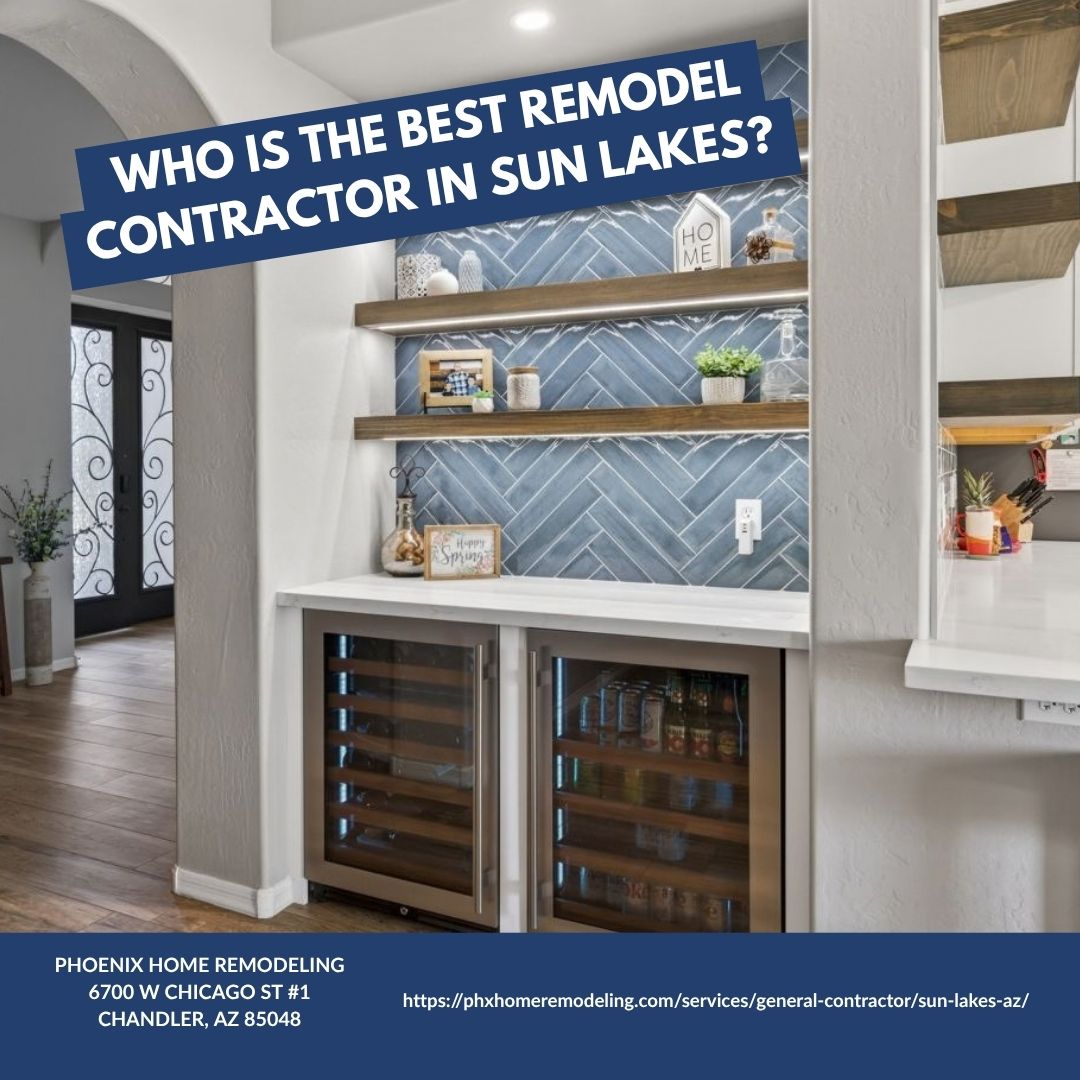
Tile and stone choices are where homeowners often need straightforward guidance. Larger format tiles can reduce grout lines, which homeowners typically like. However, larger tiles can require more precise prep and installation accuracy.
Grout selection impacts staining and maintenance. Sealing practices vary based on the product and local conditions. These are not topics you want to improvise during construction, because once tiles are set, the opportunity to adjust without rework is limited.
Cost, Timeline, and Communication During Construction
How to keep your budget from drifting
Cost creep usually has patterns. It happens when scope is unclear, when specs are changed late, or when lead times force substitutions. A planning-first approach is designed to reduce those risks.
You should still expect some variability, because construction is affected by scheduling of inspections, delivery coordination, and weather. But when the project is planned and designed thoroughly before building starts, you avoid the “change the plan after the work is underway” scenario that often triggers budget surprises.
Scheduling that respects your daily life
Renovations change your routine. The best contractor approach is to build a schedule that accounts for critical path items, like when drywall gets installed, when electrical rough-ins happen, and when finishes are staged.
In a Sun Lakes Unit 2 household, it is common to have specific constraints, like where you can park workers, where dust containment needs to be strict, and how much disruption you can tolerate during peak daily hours. Contractors who coordinate well help sites.google.com you protect those boundaries.
Transparent updates, not vague progress
Homeowners do not need a constant stream of messages, but they do need clarity. You want to know what phase the project is in, what decisions remain, and what might affect future steps.
Strong contractor communication also includes documentation. You should receive clear notes on selections, changes, and approvals. You should also have access to a process for addressing questions without delay. That rhythm keeps the project moving rather than stalling.
Quality Assurance: How Renovations Stay Done Right
Inspection readiness and workmanship standards
Quality is not just the final look. It is the steps that make the final look possible. The surfaces need correct preparation. Wiring and plumbing need correct placement. Fixtures need correct alignment. Tile needs correct leveling and waterproofing integration.
When quality is handled intentionally, you reduce the chances of problems that show up months later, like cracks at transition points or recurring moisture issues.
Documentation and accountability during finish work
Finish work carries risk because it is visible. If paint lines are uneven, if trim gaps are inconsistent, or if hardware installs do not align with door and Phoenix Home Remodeling design build drawer operation, the project will feel less polished.
A careful contractor approach involves checking measurements, verifying fit before final installation, and confirming that every finish meets the intended design. This includes verifying that lighting placement supports the look you planned, and that outlets and switches are exactly where you need them for real life.
How credibility shows up to homeowners
Reputation matters because it often reflects consistent process, not just a good Phoenix Home Remodeling reviews portfolio. Phoenix Home Remodeling has built credibility through recognized industry visibility, including “Ranking Arizona Top Contractor 2024.” Homeowners also look for review patterns that indicate reliability. When you see “4.9 rating with 200+ public reviews across major platforms,” it suggests that many households experienced the kind of coordination that prevents major disruptions.
Credibility also includes business stability and accountability standards. Seeing “BBB Accredited Business, A+ rating” provides another signal that a remodeling contractor manages operations responsibly, not just creatively.
A Practical Example: What a Kitchen Remodel Process Can Look Like
Start with feasibility, then finalize design details
Imagine a homeowner in Sun Lakes Unit 2 who wants a brighter kitchen, more storage, and a layout that feels easier to move through. The first step is feasibility, where the contractor reviews the space conditions, checks constraints, and confirms what improvements are realistic.
Then comes material selections and design refinement. This is where 3D design can help visualize what changes will actually feel like, including cabinet depth, island clearance, and lighting coverage. Planning up front prevents the classic scenario where the homeowner loves a design sketch, but the room ends up feeling cramped or awkward once construction begins.
Coordinate subsystems so finished surfaces land correctly
Once design is set, the project team coordinates the electrical plan, plumbing needs, venting requirements, and framing changes. This coordination is crucial in kitchens because many systems intersect behind the walls.
After that, the build moves into installation phases where accuracy matters. Cabinet installation needs a level base, countertop templates need correct measurements, and hardware alignment depends on how everything was set earlier. If any part was off, the fix can become expensive.
Keep expectations clear on what “done” includes
A practical remodeling experience should include clear expectations for the final phase. That includes clean handoff, walkthrough, and confirmation that everything functions as intended. Homeowners should not feel like they are discovering issues after the contractor is gone.
When a contractor plans thoroughly, communicates clearly, and integrates design and build under one coordinated team, the remodeling experience tends to feel calmer and more predictable. That predictability is especially valuable for Sun Lakes homeowners who want improvements without prolonged disruption.